Are Veneers Worth It? Pros, Cons, and Costs Explained
A good set of veneers can change a smile dramatically. They can also change the way someone speaks in photos, laughs at dinner, or walks into a job interview. That emotional side is real, and it is often the reason people start looking into veneers in the first place. Still, the cosmetic payoff is only part of the story. Veneers are a permanent dental treatment with real costs, real limitations, and a very different value depending on the person sitting in the chair.
Some people are ideal candidates and end up thrilled with the result for years. Others go in hoping veneers will solve problems that really call for orthodontics, whitening, bonding, or simply a better long-term oral care plan. When patients later say veneers were “worth every penny” or “a mistake,” the difference usually comes down to fit: fit with their dental health, fit with their expectations, and fit with their budget.
If you are weighing veneers, it helps to move past the before-and-after glamour and look at what they actually do, what they cannot do, how long they last, and what they tend to cost in real life.
What veneers really are
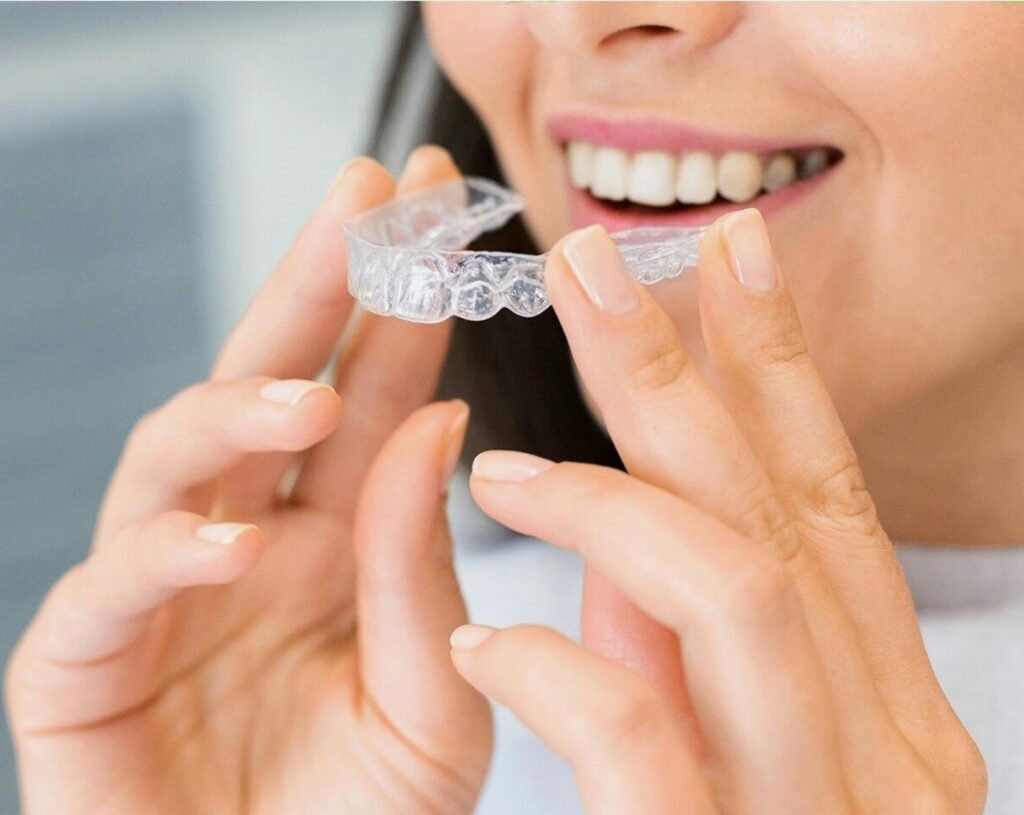
Veneers are thin shells, usually made of porcelain or a composite resin, that cover the front surface of teeth. Their job is cosmetic first. They improve shape, color, size, symmetry, and in some cases the appearance of mild spacing or minor chips. When done well, they do not look like obvious “caps” on the teeth. They look like healthy enamel with better color and contour.
Porcelain veneers are the option most people mean when they talk about a smile makeover. They are custom-made in a dental lab and then bonded to the teeth. Composite veneers can often be placed directly by the dentist in fewer visits and at lower cost, but they tend to stain more easily and do not usually last as long as porcelain.
A key point that surprises many patients is that veneers are not the same as crowns. A crown covers the entire tooth. A veneer covers the front and sometimes wraps slightly around the edges. Because of that, veneers are generally more conservative than crowns, but they still involve irreversible alteration in many cases. Once enamel is removed for traditional veneers, that tooth will always need some form of coverage going forward.
That permanence matters. It is one reason the question “Are veneers worth it?” cannot be answered with a simple yes or no.
Why people consider veneers in the first place
Most people are not looking at veneers because of one small flaw. They are usually reacting to a cluster of issues that add up in the mirror. Teeth may be worn, uneven, deeply stained, slightly misshapen, or full of old bonding that no longer matches. Sometimes one front tooth was injured years ago and darkened. Sometimes a person had braces but still dislikes the shape of the teeth. Sometimes the smile is healthy but does not match the image they want professionally or personally.
In those cases, veneers can provide a level of control that whitening or orthodontics alone cannot. Whitening can brighten teeth, but it will not fix a triangular tooth, a chipped edge, or a small peg lateral incisor. Orthodontics can straighten alignment, but it will not change the color of tetracycline staining or make worn teeth look fuller again.
That ability to address several cosmetic issues at once is one of the strongest arguments for veneers. They can be a shortcut, but when planned carefully, they can also be a sophisticated restorative choice.
The upside, when veneers are a good match
The benefits of veneers are easy to understand once you see a thoughtful case. A person with enamel defects, discoloration that does not respond well to bleaching, and short worn front teeth may leave with a smile that looks brighter, more even, and more youthful without appearing fake.
The main advantages usually include the following:
- strong cosmetic improvement in color, shape, and symmetry
- natural-looking porcelain that reflects light better than many older bonding materials
- resistance to staining, especially compared with composite resin
- relatively fast transformation, often completed in a few appointments
- durability that can last a decade or longer with good care
The phrase “natural-looking” deserves special attention. High-quality porcelain can be remarkably lifelike. It can mimic translucency at the edges, subtle variation in shade, and the way enamel catches light. That is why the dentist’s eye and the lab’s artistry matter so much. Veneers are not a commodity purchase. The difference between average work and excellent work is often obvious, even to non-dentists.
There is also a practical side. For someone with small chips or worn edges, veneers can restore length and improve the bite’s appearance. For someone with internal staining, they can solve a problem that repeated whitening sessions never truly fix. In the right case, veneers can reduce years of cosmetic frustration in a matter of weeks.
Where the downsides start to matter
The biggest downside is simple: traditional veneers are not reversible. Even “minimal prep” veneers usually involve some enamel modification, though the amount varies. Once a tooth has been prepared, it cannot simply go back to its original state.
Sensitivity can happen after preparation, especially if enamel removal is more extensive or if the teeth were already prone to sensitivity. Many patients do fine, but some notice temporary discomfort with cold. A smaller number continue to have sensitivity longer term.
There is also the issue of maintenance. Veneers do not get cavities themselves, but the teeth underneath and around them still can. Gum health still matters. Grinding still matters. Bite forces still matter. Veneers can chip, debond, fracture, or wear over time. If one breaks years later, replacement may not be as simple as patching a corner. Shade matching can be harder as natural teeth age and change.
Then there is the aesthetic risk. Veneers are capable of beautiful results, but poor planning can lead to teeth that look too opaque, too bulky, too white, or oddly uniform. Many people fear the classic “piano key” smile for a reason. It usually comes from overbuilding, poor proportion, or choosing a shade that has no relationship to the patient’s face, age, or skin tone.
A subtle but important downside is that veneers can be used to camouflage issues that really should be corrected first. Mild crowding might look straighter with veneers, but if https://maps.app.goo.gl/tw7WKKjG635tCW917 the teeth are significantly rotated or the bite is unstable, veneers may place cosmetic material over a functional problem. That can shorten their lifespan and raise the chance of chipping.
Who tends to be happiest with veneers
The happiest veneer patients are usually not chasing perfection. They want meaningful improvement, understand the trade-offs, and choose a conservative treatment plan. Their gums are healthy, their decay risk is under control, and they are prepared to maintain the result.
They also tend to work with clinicians who spend time on planning. That planning may include photographs, mock-ups, temporary veneers, and conversation about smile style. Some patients want a bright, polished look. Others want age-appropriate refinement with tiny natural asymmetries left in place. Those details sound small, but they shape whether the final result feels like a polished version of the person or a completely different face.
People who are harder to satisfy often want veneers to fix too many unrelated problems at once. Severe grinding, active gum disease, untreated cavities, unstable bite issues, and unrealistic cosmetic goals can all turn a promising case into an expensive disappointment.
Who should pause before saying yes
There are situations where veneers may still be possible, but the smarter move is to pause and solve other things first.
- people with active gum disease or poor oral hygiene
- heavy grinders who are unwilling to wear a night guard
- patients with major bite problems or significant crowding
- people who mainly need whitening, bonding, or orthodontic treatment instead
- anyone expecting “perfect” teeth with zero maintenance forever
One common example is the patient who dislikes slightly crooked teeth and heads straight for veneers because braces feel too slow. If the alignment issue is modest and the teeth have enough natural beauty, orthodontics followed by whitening or bonding may produce a healthier and more conservative result. Veneers might still be chosen later, but they should not become the automatic answer just because they are fast.
Another example is a person with thin enamel and a history of clenching. Veneers can still work, but only if the bite is managed carefully and the patient accepts the need for a protective guard. Without that, the cosmetic investment takes repeated hits every night.
What veneers cost, and why prices vary so much
Cost is often the deciding factor, and it should be. Veneers are expensive, especially when multiple front teeth are treated. In many markets, porcelain veneers commonly run from about $900 to $2,500 per tooth, and sometimes more in high-cost urban practices or highly specialized cosmetic offices. Composite veneers often cost less, roughly several hundred dollars to around $1,500 per tooth depending on complexity and location.
Those ranges are broad because the fee is not just about the material. It reflects the dentist’s training, the time spent planning, the quality of the lab, the temporary phase, and the complexity of the case. A simple veneer on one small tooth is not the same as redesigning eight front teeth to correct wear, asymmetry, and dark underlying color.
Patients sometimes compare quotes and assume one office is overpriced. Sometimes that is true. Other times, the higher fee includes a premium lab technician, multiple design appointments, custom temporaries, and a dentist who routinely handles advanced cosmetic cases. Veneers are one of those procedures where the cheapest option can become the most expensive if the result needs replacement early or looks unnatural from day one.
It is also important to ask what is included. Some offices quote only the veneers themselves. Others bundle diagnostics, wax-ups, temporaries, follow-up adjustments, and a night guard. A treatment that seems cheaper at first may not be cheaper once all related steps are counted.
Insurance usually offers limited help because veneers are commonly considered cosmetic. There are exceptions when a veneer is tied to fracture repair or certain restorative needs, but many patients pay largely out of pocket.
The long-term financial reality
The first bill is not the only bill. Veneers should be thought of as a cosmetic asset that will likely need maintenance and eventual replacement. Porcelain veneers often last around 10 to 15 years, sometimes longer with excellent care and a stable bite. Composite may last less, often around 5 to 7 years, though there is a wide range depending on habits and craftsmanship.
That lifespan affects value. If a patient spends $16,000 on eight porcelain veneers and they serve well for 12 years, many would consider that worthwhile. If the same patient has frequent chipping because of untreated grinding and needs repairs or replacements early, the calculation changes fast.
It helps to think in annual terms. A large cosmetic treatment may feel more understandable when divided over the expected lifespan, but only if you are honest about likely upkeep. Cleanings, occasional polishing, possible replacement of a bonded edge, and a night guard are part of the real cost of owning the result.
Veneers versus the alternatives
The best veneer consultation is rarely about veneers alone. It is about comparing them with the other realistic options.
Teeth whitening is far less expensive and preserves tooth structure, but its success depends on the type of staining. Surface discoloration responds better than intrinsic darkening. Orthodontics improves alignment and bite relationships, but it will not change tooth shape or cover discoloration. Bonding can fix chips, close small spaces, and improve contours at lower cost, but it is generally less stain-resistant and less durable than porcelain.
Sometimes the most elegant approach is a combination. A patient might do orthodontics first to align the teeth conservatively, then use one or two veneers or some bonding only where shape remains a concern. That kind of restraint often leads to healthier, more natural results than placing veneers on every visible tooth.
There are also cases where crowns are more appropriate than veneers, especially when a tooth already has a large filling, has lost significant structure, or needs greater reinforcement. A dentist who recommends veneers for every cosmetic issue without discussing alternatives is not giving the full picture.
The consultation matters more than most people realize
A rushed veneer consultation is a warning sign. Good cosmetic dentistry depends on diagnosis, communication, and design. The dentist should ask what bothers you specifically. Is it color, width, length, spacing, wear, or all of the above? They should evaluate gum symmetry, bite, enamel thickness, parafunctional habits like grinding, and whether the teeth are healthy enough to support the plan.
Ask to see real case examples, ideally with situations similar to yours. Look for work that suits faces, not just bright teeth in isolation. A beautiful veneer case often looks understated in the best way. You notice the person looks healthier, more confident, more balanced. You do not immediately think, “new veneers.”
Temporary veneers or mock-ups can be incredibly useful. They let patients preview shape and length before final porcelain is made. More than one patient has avoided regret because a temporary showed that the proposed teeth felt too long, too square, or too bold for their face.
Day-to-day life with veneers
Living with veneers is not difficult, but it does require some awareness. Most people eat normally after the adjustment period, but biting hard into ice, opening packaging with teeth, or chewing aggressively on very hard foods is asking for trouble. If you grind at night, a night guard is not optional in practice, even if it feels optional emotionally.
Oral hygiene remains basic but essential. Brush gently with a non-abrasive toothpaste, floss consistently, and keep up with dental visits. Healthy gums are what frame veneers beautifully. Inflamed gums can make even expensive work look poor.
One detail people do not always think about is color maintenance on the surrounding natural teeth. Porcelain holds its shade well, but your other teeth can darken over time from coffee, tea, red wine, smoking, or simple aging. If only a few veneers are placed, ongoing whitening of nearby teeth may become part of maintaining a consistent look.
The emotional return can be significant
Purely from a financial standpoint, veneers are not “worth it” in the way a necessary filling or crown may be. They are usually elective. Their value often lies in confidence, self-presentation, and relief from long-standing self-consciousness.
That should not be dismissed as vanity. A patient who has covered their mouth while laughing for twenty years may experience a real shift in quality of life after fixing severely worn or stained front teeth. A professional who speaks publicly may feel more at ease on camera. Someone who has spent years editing their smile out of photos may stop doing that.
At the same time, emotional expectations should stay grounded. Veneers can improve a smile. They cannot solve dissatisfaction rooted elsewhere. The best outcomes happen when the person wants a better version of their own teeth, not a borrowed celebrity template.
So, are veneers worth it?
Veneers are worth it for the right person, in the right hands, for the right reasons. They can deliver one of the most dramatic cosmetic improvements available in dentistry, often with a natural result that holds up well over time. For patients with stubborn discoloration, enamel defects, wear, chips, or shape issues, veneers can be a smart and satisfying investment.
They are not worth it when used as a shortcut around problems that need different treatment, when the budget only allows bargain work of questionable quality, or when expectations ignore the permanent nature of the decision. They are also a poor fit for people unwilling to maintain oral health, manage grinding, or plan for eventual replacement.
The practical way to judge veneers is to ask three questions. First, do they solve the specific problem better than more conservative alternatives? Second, can you afford them without resentment, including future upkeep? Third, do you trust the clinician enough to let them alter visible front teeth permanently?
If the answer to all three is yes, veneers often make sense. If any of those answers is shaky, it is worth slowing down. In cosmetic dentistry, patience usually costs less than regret.
Oaks Dental
Address: 5000 Parkway Calabasas Ste 308, Calabasas, CA 91302
Phone number: +18184312000
FAQ About Veneers
How much do veneers actually cost?
The cost of dental veneers typically ranges from $250 to $2,500 per tooth, with a full smile transformation averaging anywhere from $6,000 to $20,000 depending on the material you choose. Because veneers are classified as a elective cosmetic procedure, dental insurance almost never covers them.
What is the downside of having veneers?
The main downside of dental veneers is that the process is permanent and irreversible, as a dentist must shave off a thin layer of natural tooth enamel. Other major drawbacks include increased tooth sensitivity, high financial costs, and the need to replace them every 10 to 15 years.
What happens to the teeth under veneers?
When you get veneers, a dentist shaves off a thin layer of your natural tooth enamel (about 0.3 to 0.7 millimeters). The living tooth stays intact underneath, but losing this outer layer is permanent. The tooth relies on the veneer shell for lifelong protection and cannot be left bare.