General Dentist Santa Clarita CA Answers to Common Dental Questions
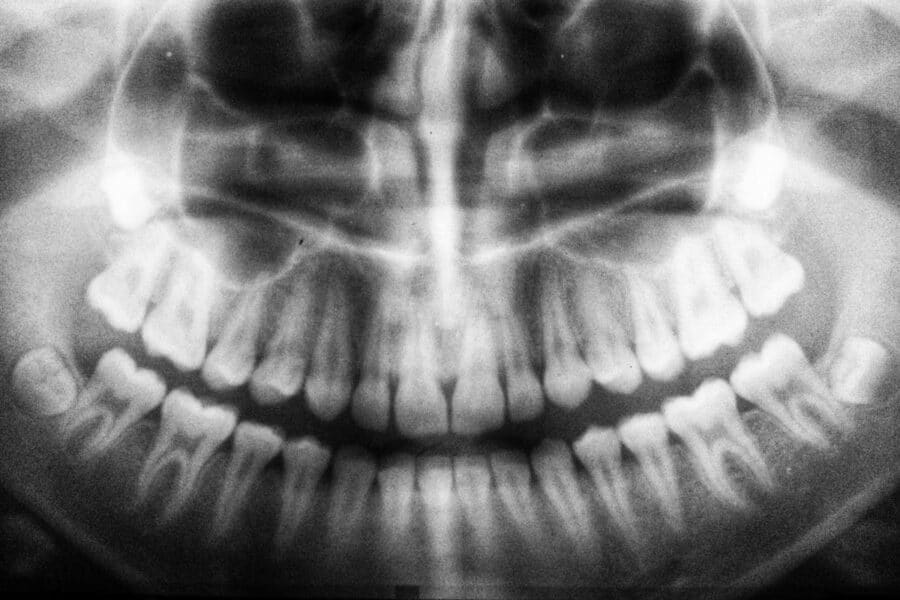
If you spend enough time in a dental office, you start to notice a pattern. Most people do not come in with obscure questions about enamel prisms or bite force. They ask the same things, often with a little hesitation, because they are trying to make practical decisions about comfort, cost, timing, and what really matters for their health.
That is especially true in a busy family practice. Parents want to know when a child should first come in. Adults want to know whether bleeding gums are serious. Someone who has not seen a dentist in years wants to know if they will be judged. Another patient asks whether a small cavity can wait until next season, after work slows down or after insurance renews.
A good general dentist hears those questions every day and answers them plainly. If you are looking for a general dentist Santa Clarita CA residents can rely on, it helps to know what is normal, what deserves quick attention, and what can be watched for a little while. Dentistry is rarely one size fits all. There are clear standards, but there is also judgment involved, and that judgment usually comes from seeing hundreds of similar situations over time.
How often should I see a dentist?
The standard answer is every six months, and for many people that is still a good rhythm. It gives your dentist and hygienist enough time to catch early cavities, gum inflammation, cracked fillings, and wear patterns before they become expensive or painful. Six months is not magic, but it is practical.
That said, not everyone belongs on exactly the same schedule. Someone with healthy gums, low cavity risk, excellent home care, and no history of major dental work may do well with slightly longer intervals in some cases. On the other hand, a patient with frequent tartar buildup, dry mouth, active gum disease, heavy staining, or a long history of decay may need more frequent visits. Three to four month periodontal maintenance visits are common for patients managing gum disease, and they can make a real difference.
One of the more common mistakes is assuming that no pain means no problem. Cavities often develop quietly. Early gum disease almost always does. A patient can feel completely fine and still have a cracked filling, a small area of bone loss, or a cavity starting between teeth where a toothbrush never reaches. Routine visits are less about reacting to pain and more about preventing surprises.
Why do my gums bleed when I brush or floss?
Healthy gums do not usually bleed from gentle brushing or flossing. When bleeding happens regularly, inflammation is often the cause. That inflammation may be mild gingivitis, which is reversible, or it may be a sign that plaque and tartar have been building below the gumline long enough to start affecting deeper tissues.
A lot of patients stop flossing when they see blood because they assume they are injuring the gums. In reality, the opposite is often true. If the technique is reasonably gentle, bleeding usually means the tissue is already irritated and needs more consistent cleaning, not less. The gums may be tender for several days when you restart flossing, but if the bleeding continues beyond a week or two of consistent care, it is time to have it checked.
There are exceptions. Certain medications, hormonal changes, pregnancy, vitamin deficiencies, smoking, mouth breathing, and some medical conditions can all affect gum health. This is why a simple question about bleeding gums sometimes leads to a more nuanced conversation. Dentistry and general health overlap more than many people realize.
Is a cavity always painful?
No, and that surprises people. A cavity can become fairly large before it causes any noticeable symptoms, especially if it grows slowly. Pain usually shows up when decay approaches the inner layer of the tooth, irritates the nerve, or creates a weak area that fractures under pressure.
In everyday practice, small cavities are often found on bitewing X-rays or during an exam long before a patient feels anything. Those are the cases dentists like to catch. A conservative filling on a small area of decay is very different from a root canal and crown after months or years of progression.
There is also a gray zone. Sometimes a patient has sensitivity to cold or sweets, but the tooth does not yet have a clear cavity. It might be recession, a hairline crack, worn enamel, or a filling that is starting to leak. That is one reason blanket advice online can be misleading. Tooth pain is not a diagnosis, just a symptom.
What if my tooth hurts only sometimes?
Intermittent pain is one of the trickier complaints because it can point in several directions. A sharp zing when biting down may suggest a crack or a high spot on a filling. Lingering sensitivity to cold can indicate nerve inflammation. A dull ache in the back of the mouth might actually be clenching, a sinus issue, or an erupting wisdom tooth.
Patterns matter. Dentists usually want to know what triggers the pain, how long it lasts, whether it wakes you at night, whether heat makes it worse, and whether chewing changes the feeling. Those details often narrow the field quickly.
I have seen patients ignore occasional pain because it came and went, only to call later with swelling or severe throbbing on a weekend. Teeth do not always progress in a straight line. A nerve that is irritated for weeks can suddenly cross into irreversible inflammation or infection. If a tooth starts talking to you repeatedly, it is worth listening before it starts shouting.
Are dental X-rays safe?
This is a fair question, especially for parents and for adults who are careful about medical exposure. Modern dental X-rays use very low levels of radiation, particularly with digital systems. They are one of the most useful tools for finding problems that cannot be seen during a visual exam alone, including decay between teeth, infections at the root tips, bone loss, and development issues below the gums.
The important point is that X-rays should be taken based on need, not habit for its own sake. A new patient with a long gap in care may need a more complete set than someone who has had recent films and a stable history. A child with a low cavity risk does not necessarily need the same frequency as an adult with multiple restorations and recurrent decay.
Pregnancy, medical history, and individual risk can all shape the recommendation. If you are unsure why imaging is being advised, ask. A good office should be able to explain what they are looking for and why the images matter in your specific case.
Do I really need a deep cleaning, or is it just a regular cleaning with a different name?
This is one of the most misunderstood topics in dentistry. A routine cleaning and a deep cleaning are not interchangeable terms. A routine cleaning focuses on plaque and tartar above the gumline, along with mild buildup just below it in a healthy mouth or one with only mild gingivitis. A deep cleaning, often called scaling and root planing, is recommended when there is evidence of periodontal disease, meaning the supporting tissues and bone around the teeth are being affected.
The decision is not supposed to be based on opinion alone. It is based on measurements around the teeth, bleeding, bone levels on X-rays, tartar below the gumline, gum recession, and overall tissue condition. If the pockets around the teeth are deeper than normal and bacteria are settling into those spaces, a routine cleaning will not address the problem.
Patients sometimes feel skeptical because the term sounds dramatic. The better way to think about it is this: the goal is not to sell a bigger cleaning. The goal is to stop https://zanderzthk377.wordcanopy.com/posts/how-a-general-dentist-in-santa-clarita-ca-can-improve-everyday-oral-care progression before gum disease leads to loose teeth, chronic inflammation, and more invasive treatment down the road.
Can I whiten my teeth safely?
Usually, yes, if your teeth and gums are otherwise healthy. Whitening is one of the more straightforward cosmetic treatments, but it still benefits from a professional evaluation first. Cavities, leaking fillings, exposed roots, and gum irritation can all make whitening more uncomfortable or less predictable.
Over the counter products vary widely. Some are effective, some are weak, and some are too aggressive for people with sensitive teeth. Custom trays from a dental office tend to offer a good middle ground because the fit is controlled, the gel strength is known, and the treatment can be adjusted if sensitivity shows up. In-office whitening can work faster, though it is not ideal for every patient.
The biggest misconception is that whitening changes the color of crowns, veneers, or fillings. It does not. Natural teeth may become lighter while older restorations stay the same, which sometimes means cosmetic blending becomes part of the conversation afterward.
Why do I need a crown instead of a filling?
Dentists generally prefer the most conservative option that will actually last. If a tooth has a small to moderate area of decay and enough healthy structure remains, a filling may be the right answer. But when a tooth has lost too much support, has a large old filling, has fractured, or has had root canal treatment, a filling may not be strong enough to hold up under chewing forces.
Think of the difference in coverage. A filling replaces part of the tooth. A crown covers and reinforces the whole visible portion above the gumline. Molars take an enormous amount of force every day, especially in patients who clench or grind. In those cases, choosing a larger restoration is not overtreatment. It is often the safer long-term call.
There are judgment calls here. Not every large filling needs to become a crown immediately, and not every cracked tooth can wait. Bite pattern, tooth location, age of the existing restoration, and symptoms all matter. This is where an experienced general dentist Santa Clarita CA patients trust can be especially helpful, because the decision is not just about what is possible today, but what is likely to fail two years from now.
What can I do about bad breath?
Bad breath can be awkward, and many people assume it comes only from not brushing enough. Sometimes that is true, but it is far from the whole story. The mouth contains a complex bacterial environment, and odor can come from the tongue, trapped food, gum inflammation, cavities, dry mouth, poorly fitting dental work, tonsil stones, smoking, and certain medical conditions.
Home care makes a big difference, but it has to be complete. Brushing the teeth while ignoring the tongue and gumline is like cleaning the front porch and leaving the kitchen a mess.
Here are a few practical places to start:
- Brush twice a day with good technique and clean between the teeth daily.
- Clean the tongue gently, especially toward the back where odor-causing bacteria collect.
- Drink enough water, since a dry mouth tends to smell worse and develop decay faster.
- Replace old restorations or address cavities if food is catching repeatedly.
- Get an exam if the smell persists despite solid home care.
Persistent bad breath deserves attention, not embarrassment. In many cases the cause is manageable once it is identified.
My teeth look fine. Why does my dentist keep talking about grinding?
Because wear often sneaks up on people. Clenching and grinding, whether during sleep or stressful daytime habits, can flatten the biting edges, chip enamel, crack fillings, and strain the jaw joints without causing dramatic pain at first. Many patients are surprised when shown photos of worn edges because the changes happened gradually.
Symptoms vary. Some people wake up with a tired jaw or headaches near the temples. Others notice notches near the gumline, sensitivity, or a sense that their teeth are becoming shorter. Sometimes the signs are found before the patient feels anything at all.
Night guards can help, but they are not a cure for the underlying habit. They protect teeth from direct wear and can reduce stress on restorations and joints. Store bought guards may be better than nothing, but custom appliances usually fit better, last longer, and are easier to tolerate.
When should a child first see the dentist?
Current guidance generally supports a first visit by the first birthday or within about six months of the first tooth erupting. That sounds early to many parents, but the visit is usually simple and educational. It gives the dental team a chance to check development, talk about brushing, discuss feeding habits, and set expectations before fear or problems develop.
Early visits also help normalize the environment. A toddler who grows up seeing the dental office as routine often handles future care better than a child whose first visit happens during pain or an emergency. I have seen that difference repeatedly. The easiest pediatric appointments are often the ones that began before there was anything wrong.
Parents usually ask about thumb sucking, pacifiers, fluoride, snacks, and when to stop helping with brushing. The answer to most of those questions depends on the child, but one principle stays constant: small habits repeated every day matter more than heroic effort once in a while.
Is fluoride necessary?
For most people, fluoride remains one of the simplest and most effective tools for strengthening enamel and lowering cavity risk. It helps teeth resist acid attacks and supports remineralization in early weakened areas. In practical terms, that means it can reduce the chance that a soft spot turns into a full cavity.
Not every patient needs the same level of fluoride exposure. Someone with frequent cavities, braces, dry mouth, gum recession, or a high-sugar diet may benefit from prescription toothpaste or in-office fluoride treatments. A person with low decay risk and fluoridated water may be well covered by standard toothpaste and routine care.
Questions about fluoride often come from a reasonable place, especially with children. The right conversation is not whether one approach fits everyone, but what level of benefit makes sense for a given risk profile.
What counts as a dental emergency?
Pain gets attention, but urgency is not based on pain alone. Some problems are uncomfortable but can wait a day or two. Others need prompt care even if they are not severe yet.
A few situations should move quickly:
- Facial swelling, especially if it is spreading or accompanied by fever.
- A knocked-out permanent tooth, where minutes matter for the best chance of saving it.
- Uncontrolled bleeding after an extraction or injury.
- Severe tooth pain that is not relieved by standard measures and interferes with sleep.
- Trauma that changes the bite or causes a tooth to feel loose.
For less urgent problems, such as a lost filling without pain or a small chip on a front tooth, the office can usually guide timing over the phone. The key is not to self-diagnose too confidently. Dental infections can turn faster than people expect.
What if I have not been to the dentist in years?
Then you are far from alone. This is one of the most common quiet confessions in dentistry. People stay away for all kinds of reasons: insurance gaps, bad childhood experiences, embarrassment, a difficult pregnancy, caregiving responsibilities, work schedules, or simple avoidance after one missed appointment turned into six years.
The important thing to know is that returning is almost always easier than patients imagine. A decent dental team is not shocked by delayed care. They see it every week. The first visit is usually about gathering information, taking a careful look, and creating a realistic plan, not doing everything in one dramatic session.
That plan often has layers. Immediate concerns come first, such as pain, infection, or broken teeth. Next comes stabilization, which might include fillings, gum treatment, or extractions if needed. Cosmetic upgrades can wait until the mouth is healthy and predictable. Patients tend to do better when they understand that not every issue must be solved at once.
There is also a financial reality here. Most adults make treatment decisions within real budget limits, and good dentistry should acknowledge that honestly. Sometimes the ideal treatment and the practical next step are not identical. A thoughtful dentist explains both.
What should I look for in a general dentist?
Credentials matter, but so does communication. A strong general dentist should be able to explain findings clearly, connect symptoms to treatment options, and distinguish between what is urgent and what is elective. The best offices are not just technically competent. They are organized, consistent, and respectful of patient concerns.
Look for a practice that takes diagnosis seriously. That means thorough exams, appropriate imaging, careful gum measurements when indicated, and plain language. It also means not rushing past your questions. If an office cannot explain why treatment is recommended, trust tends to erode quickly.
For families in the area, finding a general dentist Santa Clarita CA patients feel comfortable seeing year after year often comes down to a mix of quality and fit. The right office should make preventive care straightforward, emergencies manageable, and treatment decisions easier to understand.
Most dental questions are not really about teeth alone. They are about timing, trust, discomfort, and avoiding bigger problems later. Once those concerns are addressed honestly, patients tend to make better decisions, and their mouths usually follow.
Smyle Dental Newhall
Address: 23754 Newhall Ave, Santa Clarita, CA 91321
Phone number: +16612559200
FAQ About General dentist Santa Clarita CA
What does it mean by general dentist?
A general dentist is your primary dental care provider. They focus on the overall prevention, diagnosis, and treatment of your daily oral health needs. Think of them as your primary care doctor, but for your teeth and gums.
What is the difference between a dentist and a general dentist?
A dentist is a broad professional title for any licensed oral healthcare provider, while a general dentist is a specific type of primary care dentist who focuses on routine, preventive, and everyday treatments.
What is the difference between a dentistry practitioner and a dentist?
A dentist is a licensed doctoral-level healthcare professional, whereas a dental practitioner is a broader umbrella term that can include dentists as well as other trained oral health professionals.