How an Emergency Dentist in Bakersfield CA Treats Cracked Molars
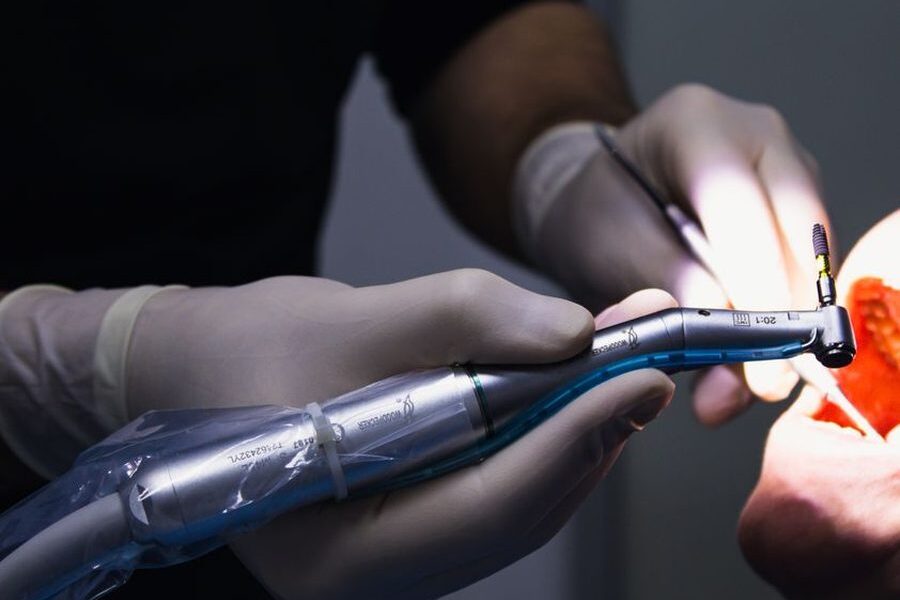

A cracked molar rarely starts as a dramatic event. More often, it begins with a hard bite on ice, a popcorn kernel, a late-night clench, or an old filling that finally gives way under pressure. Then the symptoms arrive fast. Sharp pain when chewing. A jolt from cold water. A strange rough edge against the tongue. Sometimes the tooth does not even hurt at first, which can be misleading. Molars take https://maps.app.goo.gl/4o6QHAKDQnEHvxSE7 the brunt of chewing forces, so even a small crack can deepen quickly once normal biting continues.
That is why cracked molars often end up in emergency chairs. An experienced Emergency Dentist Bakersfield CA is not just looking for a visible line in the enamel. The real question is how far the damage extends, whether the nerve is involved, whether the tooth can be saved, and how to stabilize it before the crack turns into a split tooth or an infection.
Treatment is rarely one-size-fits-all. Two patients can walk in saying, “I think I cracked a back tooth,” and need very different care. One may leave with a simple bonded restoration. Another may need a crown after the tooth is quieted down. A third may need root canal therapy because the crack reached the pulp. In the worst cases, the tooth cannot be restored and has to be removed. The difference usually comes down to location, depth, symptoms, and timing.
Why molars crack so often
Molars are built for force, but they are not indestructible. Every day they absorb repeated stress from chewing dense foods, grinding during sleep, and the expansion and contraction that come with hot and cold drinks. Over time, natural tooth structure weakens. Add a large old silver filling or a history of repeated restorations, and the cusps become more vulnerable.
In practice, several patterns show up again and again. A patient bites on something unexpectedly hard and feels a clean snap. Another has been waking with jaw tension for months and suddenly notices pain on release when chewing, a classic clue that a crack may be opening under pressure. Older teeth with broad fillings are also frequent culprits because there may be less healthy enamel left to hold the biting surface together. It is not unusual to see a cracked molar in a patient who thought the problem was “just sensitivity” for several weeks.
Bakersfield’s climate can play an indirect role too. People who work outdoors, drive long distances, or keep irregular schedules sometimes put off dental visits until pain becomes impossible to ignore. Cracked molars do not usually improve with time. They progress.
What an emergency dentist wants to know right away
When someone calls with a possible cracked molar, the first questions matter. The story often points toward the severity before the patient even sits down. Did the pain start after biting on something hard, or did it build gradually? Is there constant throbbing, or only pain when chewing? Does cold linger for more than a few seconds? Is there swelling? Did a piece break off? Can the patient close their teeth together comfortably?
Those details help separate a minor cusp fracture from a crack that may involve the nerve or extend below the gumline. Chewing pain on release is particularly suspicious. Lingering cold sensitivity suggests pulp inflammation. Swelling raises concern for infection. A visible missing piece may mean the problem is straightforward, but sometimes the most serious cracks are the least visible.
The first goal in an emergency setting is not cosmetic perfection. It is diagnosis, pain control, and preventing the damage from spreading.
The exam is more detective work than many patients expect
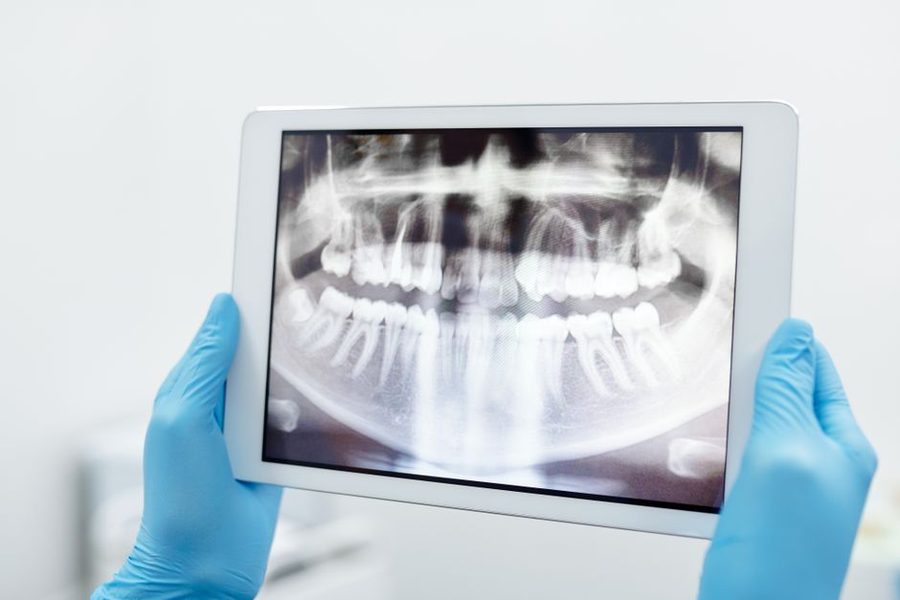
Cracked molars can be frustrating because they do not always announce themselves clearly on an X-ray. Unless a crack has caused surrounding bone changes or the pieces have separated significantly, the line itself may not show. That is why a careful exam matters so much.
An emergency dentist usually combines several tools and observations. They look at the tooth under bright magnification, check existing fillings, test the bite, and gently tap the tooth to see how the ligament is reacting. They may use a bite test on individual cusps, because a patient who winces when biting on one specific area often helps localize the crack. Cold testing can reveal whether the pulp is healthy, inflamed, or nonresponsive. In some offices, transillumination helps highlight crack lines by passing light through the tooth.
This process sounds simple on paper, but judgment is everything. A back tooth can have multiple issues at once: an old leaking filling, a hairline crack, gum recession, and a high bite from a recent restoration. Treating the wrong problem gives poor results. Good emergency care depends on identifying the source of symptoms, not just patching what is easiest to see.
Signs that make a cracked molar more urgent
Not every crack needs the same-day level of intervention, but some symptoms push it into true emergency territory.
- Pain that is sharp with chewing, especially on release
- Swelling in the gums, face, or jaw near the tooth
- Spontaneous throbbing pain that starts without biting
- A broken piece that leaves a sharp edge or exposed inner tooth structure
- Cold or heat sensitivity that lingers rather than fading quickly
If those symptoms are present, delaying care raises the odds of deeper fracture, nerve injury, or infection. A crack that starts as a restorable problem can become an extraction case if too much structure is lost or bacteria reach the pulp.
The main categories of cracked molars
Dentists use different terms because not all cracks behave the same way. A craze line in enamel is usually superficial and may not need treatment at all. A fractured cusp often involves a piece of chewing surface breaking away, commonly around a large filling. These are frequently restorable if the remaining tooth is solid. A true cracked tooth extends more centrally through the crown and can run toward the root, often causing the classic bite pain. A split tooth means the crack has progressed so far that the segments are separating. Vertical root fractures are a different category, often harder to save and more common in previously treated teeth.
Patients do not need to memorize the terminology, but it helps explain why one cracked molar gets a conservative repair and another does not. The phrase “cracked tooth” covers a broad range of damage. The emergency dentist’s job is to decide where on that spectrum the tooth falls.
How treatment begins on the day of the emergency visit
In many cases, immediate treatment is about stabilization. If the tooth is painful but still structurally salvageable, the dentist may smooth rough edges, place a temporary sedative or bonded restoration, adjust the bite, or protect the tooth from further splitting until definitive treatment can be done.
This can feel underwhelming to patients who expect a single permanent fix in one appointment. In reality, cracked molars often need staged care. If the nerve is inflamed, symptoms can evolve over several days. If a cusp is mobile, the dentist may first secure it and then reevaluate whether a crown or root canal is needed. Rushing straight to the final restoration before the diagnosis is clear can backfire.
For example, a patient may arrive after breaking a lingual cusp on a lower molar while eating almonds. If the fracture is above the gumline, the nerve tests normal, and the remaining tooth is solid, the dentist may remove the loose fragment and place a bonded buildup or temporary restoration the same day. That buys safety and comfort. Later, the tooth is typically covered with a crown because molars with lost cusps are poor candidates to remain uncovered long term.
When a filling or bonding is enough
Some cracked molars do not need a crown or root canal. If the damage is limited to a small piece of enamel or dentin, and the remaining tooth is structurally stable with healthy pulp response, a direct restoration may be appropriate. Composite bonding can replace missing structure and seal the area. This is more common when the crack is really a small chipped cusp rather than a deeper central crack.
That said, emergency dentists tend to be cautious with back teeth. Molars live under heavy load. A quick filling may relieve symptoms, but if the tooth shows signs of flexing or if the crack runs across a major cusp, a simple filling can fail quickly. Good care means balancing conservative treatment against the mechanical realities of chewing. Sometimes the most tooth-preserving option is actually a crown, because it redistributes force and protects remaining cusps from breaking later.
Why crowns are so common for cracked molars
A crown is often the workhorse solution for a restorable cracked molar. It wraps the tooth and helps hold it together under bite pressure. For teeth with fractured cusps, large old fillings, or crack symptoms without obvious pulp death, full coverage is frequently the best long-term protection.
The emergency visit may or may not include crown preparation, depending on pain level, available tooth structure, and whether the diagnosis is stable. If the tooth is very tender, inflamed, or uncertain, the dentist may place a temporary band or provisional restoration first. In other situations, they can move directly into preparing the tooth for a crown and placing a temporary crown that day.
Patients often ask whether a crown “fixes the crack.” The more accurate answer is that it protects the tooth from forces that could propagate the crack. If the fracture extends too far into the root, a crown cannot reverse that. It can only succeed if the remaining tooth has enough sound structure and the crack pattern is favorable.
When root canal therapy becomes necessary
If the crack reaches the pulp or the pulp becomes irreversibly inflamed, a crown alone is not enough. Root canal therapy is then used to remove the damaged nerve tissue, disinfect the inner chamber, and allow the tooth to be restored without ongoing internal pain or infection.
Several clinical clues point in this direction. Lingering thermal sensitivity, spontaneous aching, nighttime pain, deep tenderness, or an abscess near the tooth all raise concern. Sometimes the emergency dentist can diagnose this clearly on the first visit. Other times, the tooth declares itself after temporary stabilization. A patient may feel better for two days after a sedative filling, then develop throbbing pain that indicates the pulp did not recover.
Root canal treatment for a cracked molar can save the tooth, but it does not solve every crack. If the fracture extends below the bone or divides the root, root canal therapy will not make the tooth structurally sound. This is why prognosis is discussed carefully. Saving a tooth is ideal, but not every tooth is savable simply because it can be treated endodontically.
The difficult cases that need extraction
Some cracked molars cross a line where restoration is no longer predictable. A split tooth with distinct movement between segments is a common example. Cracks that run deep below the gumline, especially into the root furcation area of a molar, usually carry a poor prognosis. If recurrent infection, severe bone loss, or nonrestorable fracture is present, extraction may be the honest recommendation.
This is never the first choice if the tooth can be predictably maintained. Most dentists would rather preserve natural structure when the biology and mechanics make sense. But there is a difference between heroic treatment and good treatment. Patients deserve a clear explanation when a crown would only delay failure for a short time.
After extraction, the conversation shifts to replacement. Depending on the case, that might mean a dental implant, a bridge, or in some situations leaving the space temporarily while inflammation settles and finances are considered. Emergency care is not just about removing pain. It also includes helping the patient think through what comes next.
What patients can do before they are seen
The hours between the crack and the appointment matter. The goal is to avoid making a bad situation worse.
- Chew on the opposite side and avoid hard, sticky, or very hot and cold foods
- Rinse gently with warm salt water if the area feels irritated
- Use an over-the-counter pain reliever if medically appropriate for you
- Save any broken tooth fragment if you can find it
- Call promptly if swelling, fever, or trouble swallowing develops
A common mistake is testing the tooth repeatedly to “see if it still hurts.” That can deepen the crack, especially with nuts, granola, tough meat, or ice. Another mistake is assuming that if pain fades, the problem is gone. Some cracked teeth become quieter after the nerve begins to die, which is not improvement.
Temporary relief versus definitive care
One of the most important distinctions in emergency dentistry is the difference between getting comfortable and actually resolving the problem. A cracked molar may stop hurting after a temporary filling, bite adjustment, or medication. That is useful, but it is not the end of treatment if the tooth still needs full coverage or endodontic therapy.
This is where follow-through makes all the difference. Patients who feel better often postpone the next visit, only to return weeks later with a larger fracture or an abscess. The crack did not disappear. The symptoms simply changed. In real practice, this is one of the most preventable ways a saveable molar becomes unsalvageable.
An emergency dentist in Bakersfield CA will usually outline the next step very clearly, whether that means crown placement, reevaluation of pulp symptoms, referral to an endodontist, or extraction planning. The timeline matters. A recommendation to return in a week is not arbitrary. It reflects how cracked teeth behave.
How dentists decide whether a tooth can really be saved
Patients often want a yes or no answer immediately, but prognosis for a cracked molar is sometimes conditional. Dentists weigh several factors at once: where the crack starts, how deep it extends, whether segments move, how much healthy tooth remains above the gumline, whether the nerve is still healthy, and whether the bite can be controlled afterward.
A lower first molar with a fractured cusp and healthy roots may do beautifully with a crown for many years. An upper molar with a central crack, a large old filling, and deep isolated gum probing on one side is more concerning. A tooth that hurts only on chewing but has normal cold response may be watchable after stabilization. A tooth with a sinus tract and localized swelling has crossed into a different category.
That is why seasoned dentists avoid making guarantees too early. They can often say whether treatment is reasonable and whether the odds are favorable, but the tooth’s response over days or weeks sometimes tells the final story.
Children, teens, and older adults need slightly different thinking
Cracked molars are not just an adult problem, though adults with restored teeth make up the bulk of cases. Teenagers sometimes crack molars through sports injuries, chewing ice, or untreated grinding. Their teeth often have more resilient structure, which can help, but diagnosis still matters because immature symptoms can be harder to interpret.
Older adults bring a different set of challenges. They are more likely to have heavily restored molars, wear facets from decades of function, and existing crowns or bridges that complicate access and imaging. Root fractures and cusp fractures around old fillings are common. Medications and medical history also influence pain management and healing expectations.
The best emergency care adapts to the patient in front of the dentist, not just the X-ray.
Prevention after a cracked molar is treated
Once someone has cracked one molar, it is worth looking at the bigger picture. Often the tooth was the weak link in a broader pattern. If there is evidence of grinding, a night guard may protect the rest of the dentition. If several large old fillings are undermining cusps, the dentist may recommend preventive crowns on selected teeth before they fracture. If the bite is uneven after prior dental work, minor adjustment can reduce concentrated stress.
There is also the simple matter of habits. Chewing ice, cracking sunflower seeds with molars, and using teeth as tools all create predictable damage. Patients sometimes laugh when asked about these habits, then admit they do them every day. Teeth remember.
Diet matters too, though not in a simplistic way. Hard foods are not inherently bad, but sudden concentrated force on a compromised tooth is the issue. A healthy intact molar handles normal chewing well. A molar with a large restoration and a hidden crack is a different story.
What patients should expect from the visit
A good emergency visit for a cracked molar should leave the patient with three things: a working diagnosis, a plan, and a realistic understanding of uncertainty. Pain should be addressed, but so should structure and prognosis. If the dentist believes the tooth is restorable, they should explain what treatment is likely next and why delay is risky. If the tooth may be nonrestorable, they should say that directly rather than offering false reassurance.
Many patients feel unsettled when they hear phrases like “we need to see how the tooth responds.” That is not indecision. It is often the most accurate, responsible statement possible. Cracked teeth do not always reveal their full extent in the first hour. Experienced emergency dentists respect that.
When the process goes well, the patient leaves more comfortable, the tooth is protected from immediate worsening, and the path forward is clear. That is the standard people should expect from an Emergency Dentist Bakersfield CA when a cracked molar turns an ordinary day into an urgent dental problem.
Smyle Dental Bakersfield
2016 E St, Bakersfield, CA 93301, United States
+16614939040
FAQ About Emergency Dentist Bakersfield CA
What counts as a dental emergency?
Severe tooth pain, facial swelling, uncontrolled bleeding, a knocked-out or displaced tooth, and significant dental trauma may need prompt assessment. Trouble breathing or rapidly increasing swelling requires urgent medical help.
What should I do if a permanent tooth is knocked out?
Handle the tooth by the crown rather than the root, keep it moist, and contact a dentist immediately. Fast treatment can improve the chance of saving the tooth.
Can an emergency dentist treat severe tooth pain the same day?
Same-day care may be available depending on the cause and schedule. The dentist will examine the area, may take digital X-rays, and recommend treatment based on the diagnosis.
Should I go to the emergency room for dental swelling?
Seek urgent medical care for trouble breathing, difficulty swallowing, rapidly spreading facial swelling, or other severe symptoms. A dentist can assess the underlying dental cause and provide appropriate follow-up care.