How to Prepare for an Emergency Dentist Appointment

A dental emergency rarely arrives at a convenient hour. It tends to happen during dinner, before a flight, halfway through a school week, or late at night when every sensation feels sharper and every decision feels harder. In those moments, people often focus on the obvious problem, the cracked tooth, the swelling, the bleeding, the pain, and overlook the practical side of the appointment itself. Yet preparation matters. It can shorten treatment time, help the dentist make faster decisions, and reduce the risk of complications once you are in the chair.
Preparing for an emergency dentist appointment is not about turning yourself into a clinician. It is about giving the dental team the clearest picture possible, protecting the injured area, and avoiding a few common mistakes that can make treatment more difficult. Patients who do this well usually walk in calmer, get diagnosed faster, and leave with a more realistic plan for the next 24 hours and the next few weeks.
Knowing what counts as a true dental emergency
Not every toothache needs same-day care, but many dental problems do. The line is not always obvious to someone who has never had to call an Emergency Dentist before. Severe pain that keeps you from sleeping, swelling in the gums or face, uncontrolled bleeding, trauma to the mouth, a knocked-out adult tooth, and signs of infection all deserve urgent attention. A broken crown may or may not be an emergency depending on pain, exposed tooth structure, and whether the break affects your bite.
One of the most important judgment calls involves swelling. Mild irritation around the gums can wait a short time in some cases. Swelling that spreads into the cheek, jaw, or under the eye is different. If swelling is paired with fever, trouble swallowing, difficulty breathing, or a foul taste that suggests draining infection, the situation moves beyond inconvenience and into something potentially dangerous. In practice, dentists take this seriously because dental infections can travel through tissue spaces quickly.
Trauma creates its own set of emergencies. A chipped tooth that only affects the enamel may be uncomfortable but manageable. A fracture that exposes yellow dentin or red tissue inside the tooth is more urgent. A tooth that is loose after an impact, even if it is still in place, should be examined promptly. Patients often assume that if there is no dramatic bleeding, the injury is minor. That is not always true. Teeth and supporting bone can be damaged in ways that are not immediately visible.
What to do before you leave home
Once you have spoken with the office and secured an appointment, your job is to preserve the situation, not fix it. This is where people sometimes create more trouble for themselves. They take aspirin directly on the gum, try to glue a broken piece back into place, or ignore escalating swelling because they found a temporary pain patch. Those shortcuts often complicate the exam.
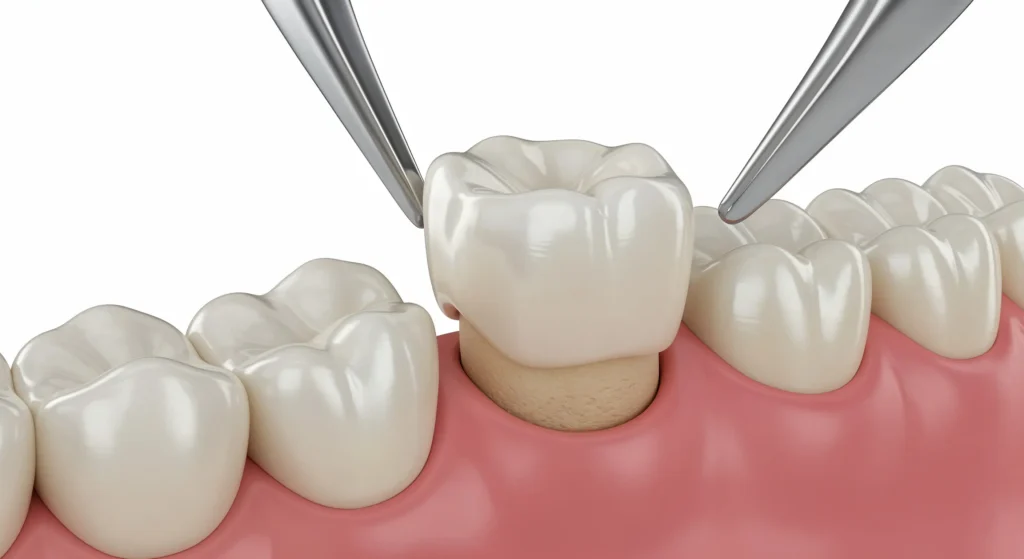
If you are bleeding, apply steady pressure with clean gauze or a clean cloth. If a tooth has been knocked out and it is an adult tooth, handle it by the crown, not the root. If it is visibly dirty, rinse it very gently with saline or milk if available, or clean water for only a few seconds. Do not scrub it. If you can place it back into the socket easily and safely, that can help preserve the periodontal ligament cells, but many people are understandably not comfortable doing that. In that case, keep the tooth moist in milk or a tooth preservation solution if you have one. Letting it dry out is one of the fastest ways to reduce the chance of saving it.
Pain control also deserves a measured approach. Ibuprofen is commonly used for dental pain because it helps with inflammation as well as discomfort, though it is not right for everyone. Some patients should avoid it because of ulcers, kidney issues, blood thinners, or other medical reasons. Acetaminophen may be safer in some cases, but it has its own dosing limits. If you are unsure, stick to labeled directions and tell the office what you have taken and when. Dentists ask this for a reason. It affects both safety and the timing of additional medication.
Cold packs can help with swelling and soreness after trauma. Use them on the outside of the face in short intervals rather than pressing ice directly onto gum tissue. Heat is often tempting because it feels soothing, but in the setting of active swelling it can worsen the problem.
The information your dentist actually needs
A rushed emergency visit still depends on good information. In a routine checkup, the office can build a picture over time. In an emergency, they may need to make important decisions in minutes. That is easier when the patient arrives ready to answer practical questions clearly.
The essentials are simple:
- When the pain or injury started, and whether it came on suddenly or gradually
- What makes it worse or better, including temperature, chewing, or lying down
- Any swelling, drainage, fever, bad taste, or numbness
- Medications taken in the last 24 hours, especially pain relievers, antibiotics, or blood thinners
- Relevant medical conditions, allergies, pregnancy status, and recent dental treatment
These details often reveal more than patients expect. Pain that wakes you at night and lingers after cold can point toward pulpal inflammation. Sharp pain only on biting can suggest a cracked tooth or ligament injury. A bad taste plus swelling may indicate an abscess that has started draining. Even something as simple as whether the pain eases when sitting upright can matter.
I have seen patients arrive saying only, “My whole mouth hurts,” then mention halfway through the visit that a filling fell out three days earlier, or that they started an old antibiotic from the medicine cabinet that morning. Those details change the diagnostic picture. Bring them forward early.
What to bring to the appointment
In an emergency, people often show up with their phone, wallet, and little else. That may be enough, but a few extra items can make the visit smoother. If a crown, veneer, denture fragment, retainer, or broken piece of tooth is available, bring it in a clean container. It may not always be usable, but dentists sometimes can assess fit, fracture pattern, or the likely force of injury from the fragment itself.
Bring your identification, insurance card if applicable, and a list of your medications if you cannot recall them easily. Photos can also be surprisingly useful. If swelling was more dramatic earlier in the day, a phone photo may help the dentist understand the progression. The same is true for bleeding after trauma or a tooth that briefly looked out of position before it settled.
Parents bringing a child should pack with a little more intention. A comfort item, water, and a calm explanation go further than many realize. Children pick up on adult panic quickly. Even if the visit may involve treatment, the first goal is often examination, imaging, and stabilization.
How to talk to the front desk so you get the right slot
When patients call and say, “I need to be seen today,” the office still has to decide how urgently to schedule them. The more precise your description, the better the team can triage the problem. Tell them if there is facial swelling, trauma, active bleeding, a knocked-out tooth, inability to close the mouth properly, or fever. Mention whether the patient is a child, whether the injured tooth is permanent, and whether there are medical conditions that raise concern.
This is not about dramatizing symptoms. It is about using concrete language. “My cheek is swollen and the tooth hurts when I bite” is more helpful than “It’s really bad.” “The front tooth was knocked out 20 minutes ago and I have it in milk” immediately signals urgency. A well-trained team can often coach you through the first steps before you even arrive.
If the office tells you to go to an emergency room instead of waiting for a dental visit, pay attention. Dentists typically make that recommendation when there are signs of airway risk, systemic infection, severe trauma beyond the tooth itself, or pain patterns that may not be dental in origin. That is not overcaution. It is good judgment.
Eating, drinking, and medications before treatment
One of the common questions before an emergency dentist appointment is whether to eat. The answer depends on the likely procedure. If the office suspects you may need an extraction, sedation, or a longer intervention, ask for instructions before you leave home. Some patients arrive having eaten a full meal just before a procedure that would have gone more smoothly on a lighter stomach. Others avoid food all day and feel shaky by the time they are seen.
As a practical rule, if you are in severe pain but not expecting sedation, a light meal is often reasonable unless the office tells you otherwise. Avoid very hot, very cold, hard, or sticky foods around the affected area. Drink water unless you were told to remain fasting for sedation. Dehydration makes stress worse and can complicate the appointment.
Do not start leftover antibiotics unless the dentist or a physician has instructed you to do so. This happens often enough to mention plainly. Patients feel swelling, remember an old bottle from a previous infection, and begin dosing themselves without knowing whether it is the right drug, the right dose, or even the right diagnosis. Antibiotics also can blunt symptoms without solving the underlying problem, which makes examination more confusing.
If the emergency involves trauma
Dental trauma brings a different type of urgency and a different kind of preparation. Time matters, but details matter too. If the injury followed a fall, sports impact, or car accident, expect the dentist to ask about the force and direction of the blow, loss of consciousness, cuts to the lips or tongue, and whether the bite now feels “off.” That last phrase often signals tooth displacement or jaw injury.
Soft tissue injuries deserve attention even when the tooth seems like the obvious issue. Lip lacerations can hide tooth fragments. A child with a chipped front tooth may have part of that tooth embedded in the lip, and the only clue is a persistent swelling or a tiny white speck in the tissue. This is one reason dentists often recommend radiographs in trauma cases even when the damage seems straightforward.
If a tooth is broken, keep the area clean and avoid chewing there. If the tooth is loose, do not wiggle it to “see how bad it is.” Patients do this instinctively, and it never helps. Additional movement can worsen ligament injury and bleeding.
Mouthguards, if worn at the time of injury, should be brought in if they show damage. That can help reconstruct what happened. It sounds minor, but in sports-related emergencies small details can shape the treatment plan.
Managing anxiety when pain and urgency collide
Dental emergencies generate two kinds of stress at once, physical pain and loss of control. Even patients who do fine at routine cleanings can become highly anxious when the issue is sudden, visible, or severe. Preparation should include your mental state, not just paperwork and pain relief.
Tell the office if you are anxious, prone to fainting, or have had difficulty getting numb in the past. Those details are clinically useful. A patient who tends to panic may benefit from a quieter room, simpler pacing, or a clear explanation before instruments are introduced. Someone who historically needs extra local anesthetic should say so early rather than after several failed attempts to “tough it out.”
If breathing exercises help you, use them in the waiting room. Bring earbuds if music settles you. None of this is trivial. A calmer patient gives a more accurate history, tolerates imaging better, and is easier to treat safely. Good dental teams understand that emergency care is not just technical work. It is also emotional containment.
What the first appointment may and may not accomplish
Patients sometimes expect an emergency visit to solve everything in one sitting. Sometimes it does. A simple extraction, recementing a crown, smoothing a sharp fracture edge, draining an abscess, or placing a temporary restoration can often be handled the same day. Other times, the first appointment is about diagnosis, pain control, infection management, and stabilization until definitive care can be performed.
That distinction is important. If you walk in expecting a final cosmetic repair but the dentist’s priority is to stop infection or rule out a vertical root fracture, the visit can feel disappointing unless expectations are realistic. Emergency care often works in phases. Phase one is to control the immediate threat, pain, swelling, bleeding, instability. Phase two is to restore function and appearance.
This is especially true for front-tooth trauma. A patient may need temporary bonding or smoothing on day one, then follow-up vitality testing, imaging, or definitive restoration later. The tooth can look acceptable right away and still need root canal therapy weeks or months later if the nerve does not recover. That is not a failure. It is the natural biology of traumatic injury.
Questions worth asking before you leave
The end of the appointment can be a blur, especially if you arrived in pain and received treatment under stress. This is where many patients nod along, then get home unsure about medication timing, food restrictions, or when to worry. Before leaving, make sure you understand what was found, what was done, and what the next 48 hours should look like.
A short, practical checklist helps here:
- Ask for the diagnosis in plain language, not just the procedure name
- Confirm how and when to take any medication, including over-the-counter pain relief
- Clarify what you should eat, avoid, and expect tonight
- Find out which warning signs mean you should call back immediately
- Schedule the follow-up before leaving, if one is needed
That last point matters more than patients think. Emergency care often buys time. Without follow-up, a temporary solution can fail, an infection can recur, or a traumatized tooth can deteriorate quietly.
Common mistakes that make emergency treatment harder
A few patterns come up repeatedly in urgent dental care. The first is waiting too long because the pain seemed to improve. Dental pain can ebb temporarily when pressure changes inside the tooth or when drainage begins, but the underlying disease may still be progressing. The second is taking random leftover medication and then not remembering what it was. The third is arriving without mentioning relevant medical history because it feels unrelated. Conditions like diabetes, recent joint replacement discussions, anticoagulants, bisphosphonate use, pregnancy, and immune suppression all can affect dental decisions.
Another mistake is underreporting trauma. People sometimes feel embarrassed to say a tooth was damaged in a fall after drinking, in a pickup basketball game, or because they bit hard on a fork. Dentists are not there to judge the story. They are trying to understand force, contamination risk, and the pattern of injury.
The final mistake is assuming that if the face is not swollen and the pain is “only” a toothache, it can wait indefinitely. Deep decay, cracked teeth, and failing restorations often worsen quietly until the treatment becomes more invasive and more expensive. Prompt emergency evaluation often preserves options.
Preparing for the hours after you get home
The appointment does not end when you leave the building. A bit of planning at home can make recovery easier. Have soft foods ready, yogurt, eggs, soup that is warm rather than hot, oatmeal, pasta, smoothies if cold does not trigger pain. If numbness is still present, especially in children, be careful with cheeks and lips. Accidental biting injuries are common after emergency treatment.
If you received anesthesia, drainage, a temporary filling, or an extraction, the office instructions should guide you. Read them while you are still alert, not at midnight when pain starts to return and you are guessing. If you live alone and had a stressful or sedating visit, let someone know you may need a check-in call. It sounds small, but practical support reduces the chance of medication errors and unnecessary worry.
Keep track of changes. If swelling increases noticeably after treatment, pain becomes harder to control rather than easier, or fever develops, contact the office. Recovery is not always linear, but there should be some trend toward stability.
Why preparation changes the outcome
The best emergency dentist appointment is not necessarily the one with the most dramatic intervention. Often, it is the one where the patient arrived early enough, protected the tooth or tissues properly, gave a clean history, and understood what needed to happen next. Those are not glamorous steps, but they are the steps that make modern emergency dental care work well.
Preparation gives the dentist https://codyowfb017.publishlane.com/posts/how-to-know-if-you-need-an-emergency-dentist-or-can-wait-until-morning better information. It also gives you something just as valuable, a sense of traction during a stressful event. Pain narrows attention. Having a plan widens it again. You know what to bring, what to say, what not to do, and what questions to ask before leaving. That changes the experience from chaotic to manageable.
When people think of an Emergency Dentist, they often picture the treatment chair and the urgent procedure. The real work starts earlier. It starts with preserving the injury, communicating clearly, and arriving ready for decisions. In emergency care, that small window before the appointment can matter almost as much as the appointment itself.
Simple Dental Vermont
Address: 8914 S Vermont Ave, Los Angeles, CA 90044
Phone number: +13239493000
FAQ About Emergency Dentist Los Angeles CA
What can the ER do for a tooth?
The emergency room can provide temporary symptom relief for a bad tooth, such as prescribing pain medicine or antibiotics, but it cannot fix the actual dental problem.
What is the 3-3-3 rule for tooth infection?
The 3-3-3 rule for a toothache or infection typically means taking three 200 mg ibuprofen tablets (600 mg total) three times a day for no more than three days to control pain and swelling while waiting to see a dentist.
What do you do if you have a dental emergency but no dentist?
If you have a dental emergency and no regular dentist, you should search for an urgent care dental clinic, call local walk-in dental offices, or go to a hospital emergency room if you have severe bleeding, swelling, or trouble breathing.